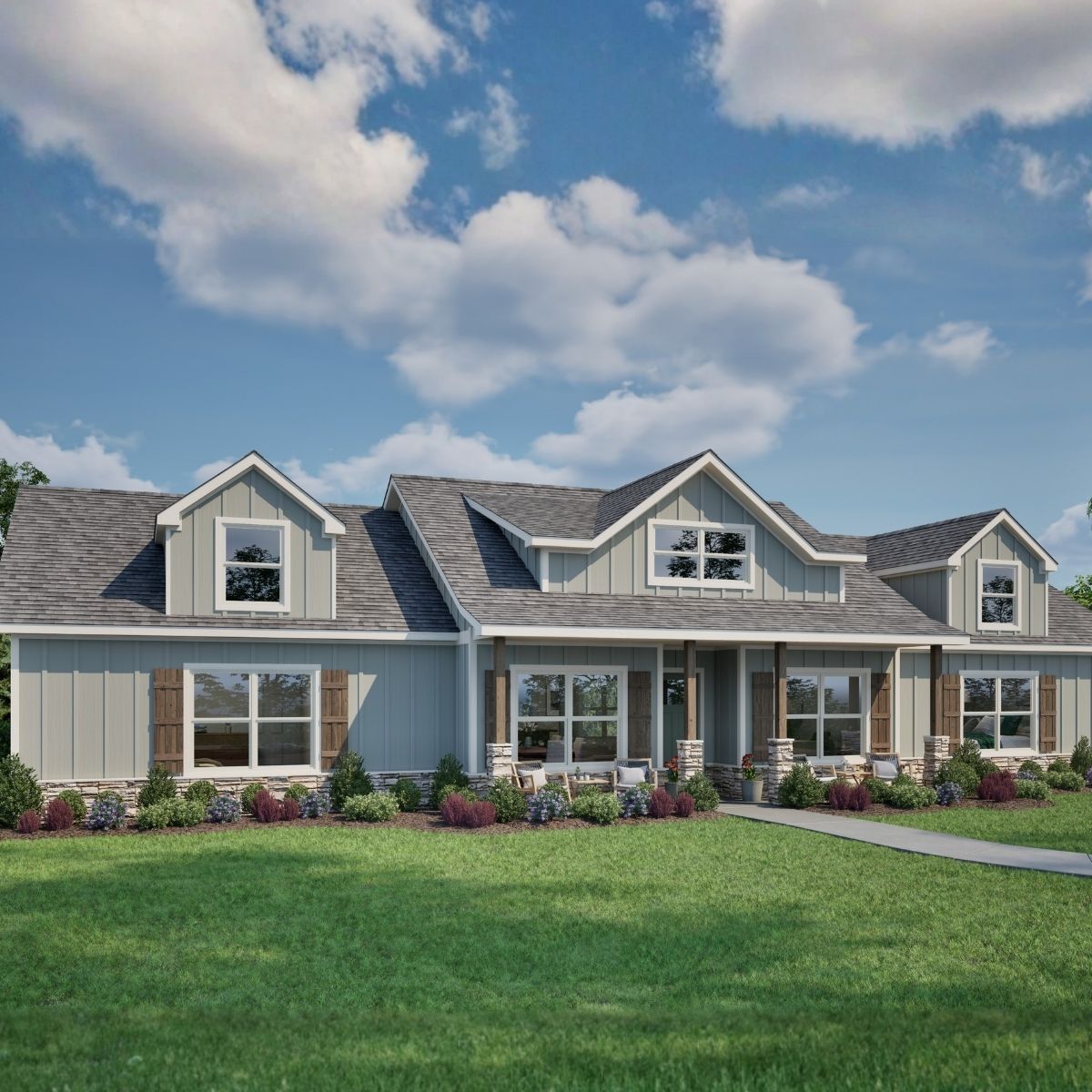
"The Higharc team has asked more questions and is more involved in our business than I expected. It's not been 'here's your software keys and here's the help file and y'all be careful now.' That's not been the case at all. They've become part of our team."


For more than 60 years, United Built Homes has helped over 50,000 families turn their land into a place they’re proud to call home.
Arkansas, Springdale
Company size:
1958
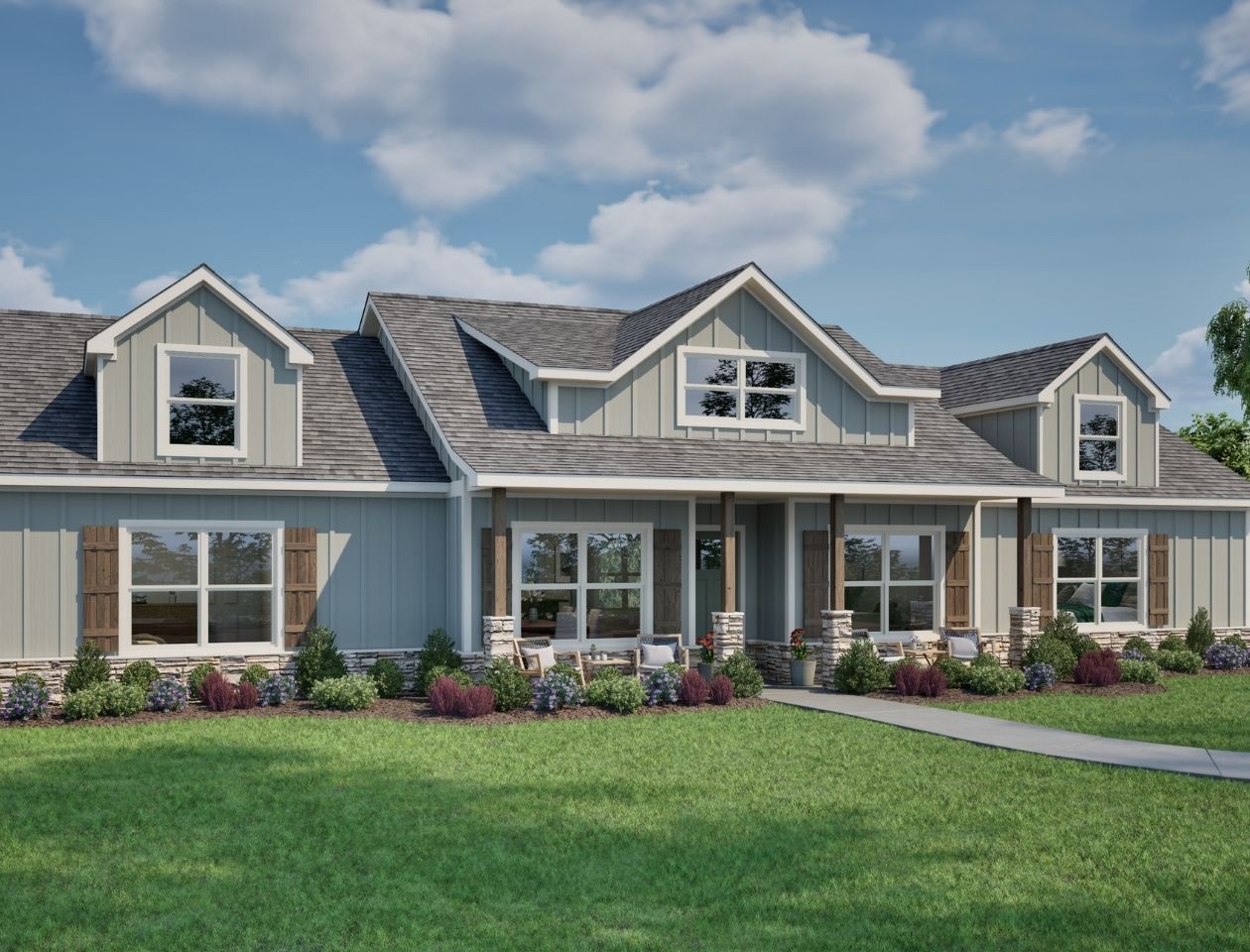

A homebuilding process built around the buyer
United Built Homes has been helping families build on their own land since 1958. UBH has built more than 50,000 homes across Texas, Oklahoma, Arkansas, and Louisiana during that time. Greg Langham, UBH's Chief Information Officer, had a clear vision for where the customer experience needed to go: give buyers a fully point-and-click shopping experience, real customization, from a website they could explore on their own time, while ensuring what they configured was exactly what they got quoted.
When Greg found Higharc, he realized the buyer's configuration could be carried intact from the website through to plans and pricing, without anyone re-entering it at each step. Higharc manages the master plan centrally while allowing for customization of each lot, a natural fit for a builder where every customer brings a different piece of land, with different setbacks, utility hookups, and site conditions.
“What the customer saw and what you priced were two different things, and there was no integration there.”
Behind the scenes, Daniela Valera Alegrett, UBH's Design Coordinator, and by necessity the company's first BIM specialist, was managing plan variations by hand. New option combinations meant rebuilding from scratch. Visualizations were sent to an external rendering vendor and returned days later. There was no live 3D model to catch conflicts between floor plan elements before a design left the office.
Sales appointments start where the buyer left off
Before Higharc, buyers effectively started from zero when they showed up for their first appointment. Design consultants had no context for what the buyer actually wanted, what they'd configured, what it might cost, preferences, and pricing had to be rebuilt in the meeting instead of moving the conversation forward.
Now, when a buyer configures a home on ubh.com and saves it, Higharc automatically creates a CRM lead in Lasso, logs the lead's home configuration, and generates a pricing record, all before anyone picks up the phone. The design consultant opens the appointment already knowing the plan, the options, and the starting price point.
“The customer configures a house, hits save, gives us their information, and we already have a lead in Lasso and a pricing build for that home already in place.”
About two-thirds of UBH's active pricing records now start with a buyer who completed the work online before the first call.
Lead conversion improved 40%
UBH tracks application conversion rate, the share of leads who take the next step and move forward with a home construction proposal. In 2024, that number was 10%. By July 2026, it had climbed to 14%. That's a 40% relative improvement, and Greg expects it will continue to improve.
Closing plans in hours, not days
UBH sees that sales momentum carries through the rest of the buyer journey.
The closing plan is the set of drawings a buyer signs at the loan table, all elevations, an electrical plan, the documents that make the building agreement official. It's the last step before construction starts, and the pace of it matters.
Before Higharc, producing a closing plan took two to three days, even for a standard plan. With Higharc Live Plans, UBH can turn one around in one to two hours, and that's with a QC pass before it goes to the customer. They haven't removed the human check. They've just compressed everything around it.
Deals that used to wait on paperwork don't wait anymore.
From drawings to systems
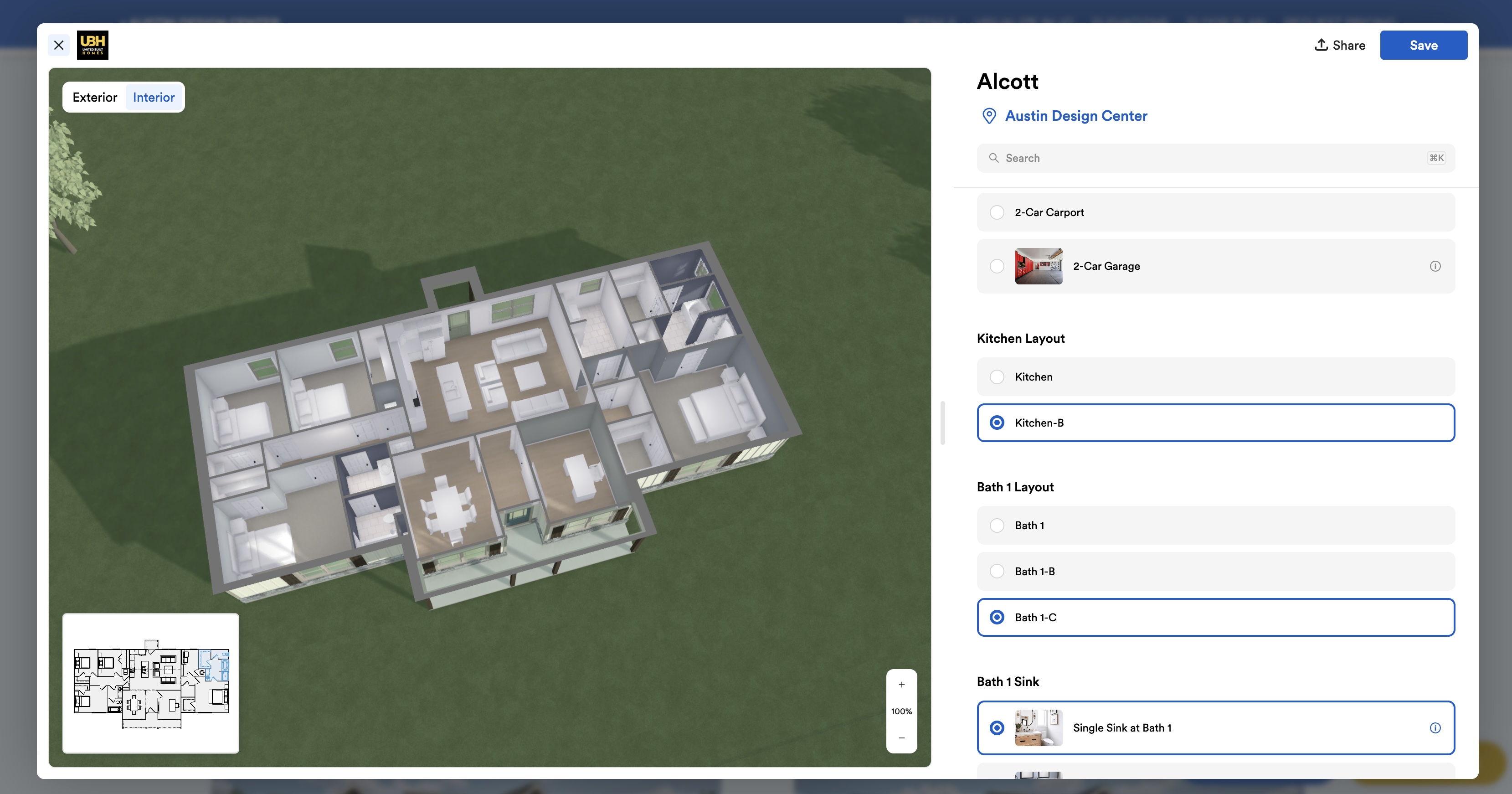
Drafting in Higharc Studio requires a different way of thinking. Instead of managing variations in disjointed files, Higharc defines how a home should behave by setting rules for how options interact, how elements adjust when something changes, how the model holds together as a whole. As Daniela puts it, it feels less like drafting and more like trying to code your drawings. It's a shift, but the results are worth it.
Daniela saw an immediate impact. A home with five elevations and multiple interior option combinations, work that used to take one to three days in Revit, plus time waiting on an outside rendering vendor, now takes about a day and a half, with live 3D functionality built in. When something doesn't fit, like a staircase that won't clear or a bathroom that conflicts with an adjacent room, Higharc catches it early in the model before it reaches anyone else.
Plan consistency improved, too. Under time pressure, the team used to pull the most recent file, sometimes mixing elements from different versions without realizing it. With Higharc, every configuration starts from the same master plan, where the options are already aligned.
“With Higharc, you always start with the same master plan. The risk of intermixing two different options that you didn't intend to mix goes away.”
A partnership that keeps showing up
Greg is direct about what Higharc requires. It works best for builders willing to operate with structure, a defined plan library, consistent option configurations, and a team that works from a shared system rather than individual files. What Greg didn't anticipate was how involved the Higharc team would remain once they were live.
“It's not been ‘here's your software keys and here's the help file and y'all be careful now.' That's not been the case at all.”
The Higharc team has been more involved in UBH's business than Greg expected: asking questions, working through problems, staying in it when something needs fixing. Daniela describes the support experience the same way: every conversation moves the work forward.
“The support team is great. You learn a lot just talking to them.”
In less than nine months, UBH has delivered the buyer experience it set out to build, a process where a buyer's choices on day one efficiently drive everything through to the closing table. It's already translating into higher conversion, faster sales cycles, and fewer stalled deals.

.png)
.png)





.png)