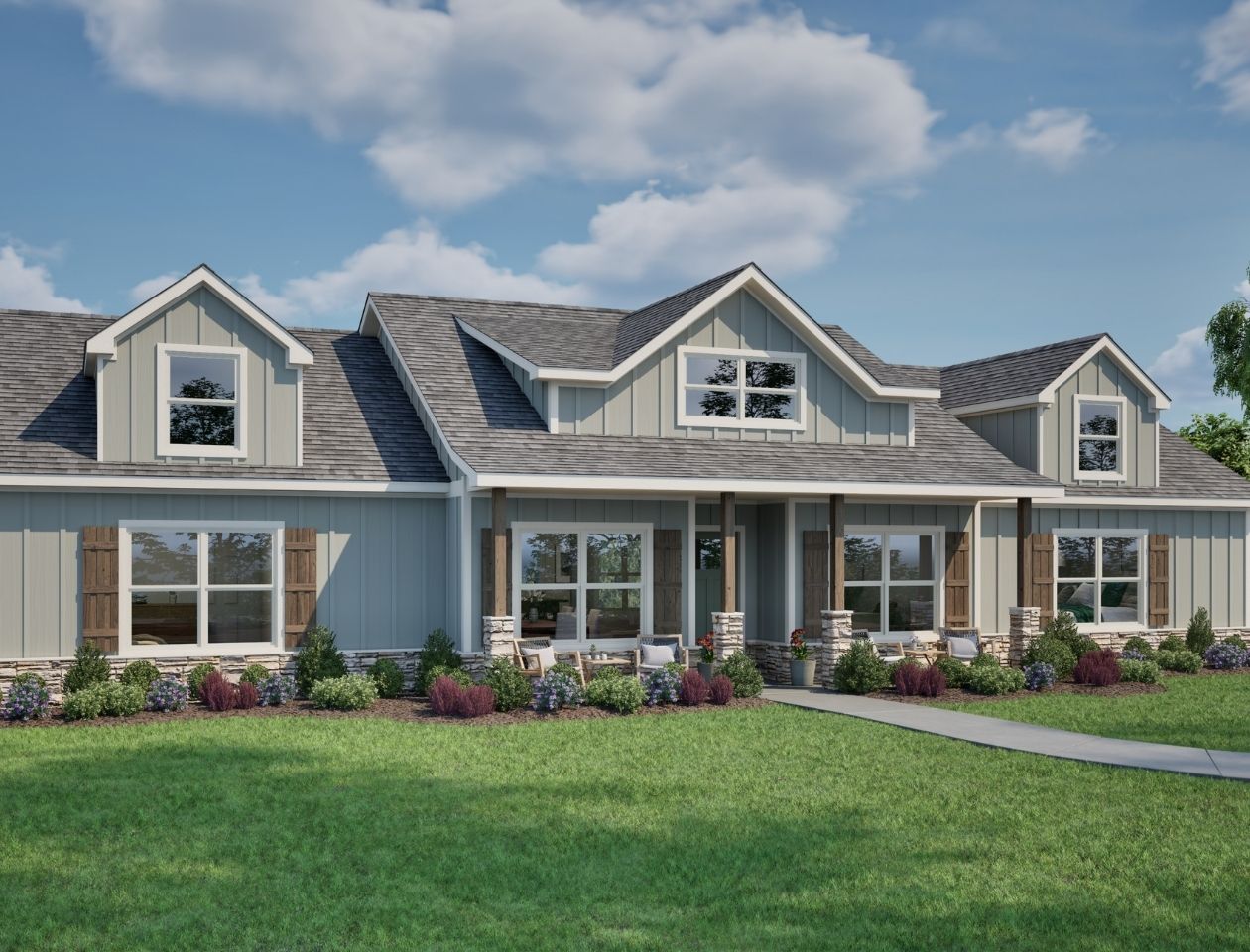
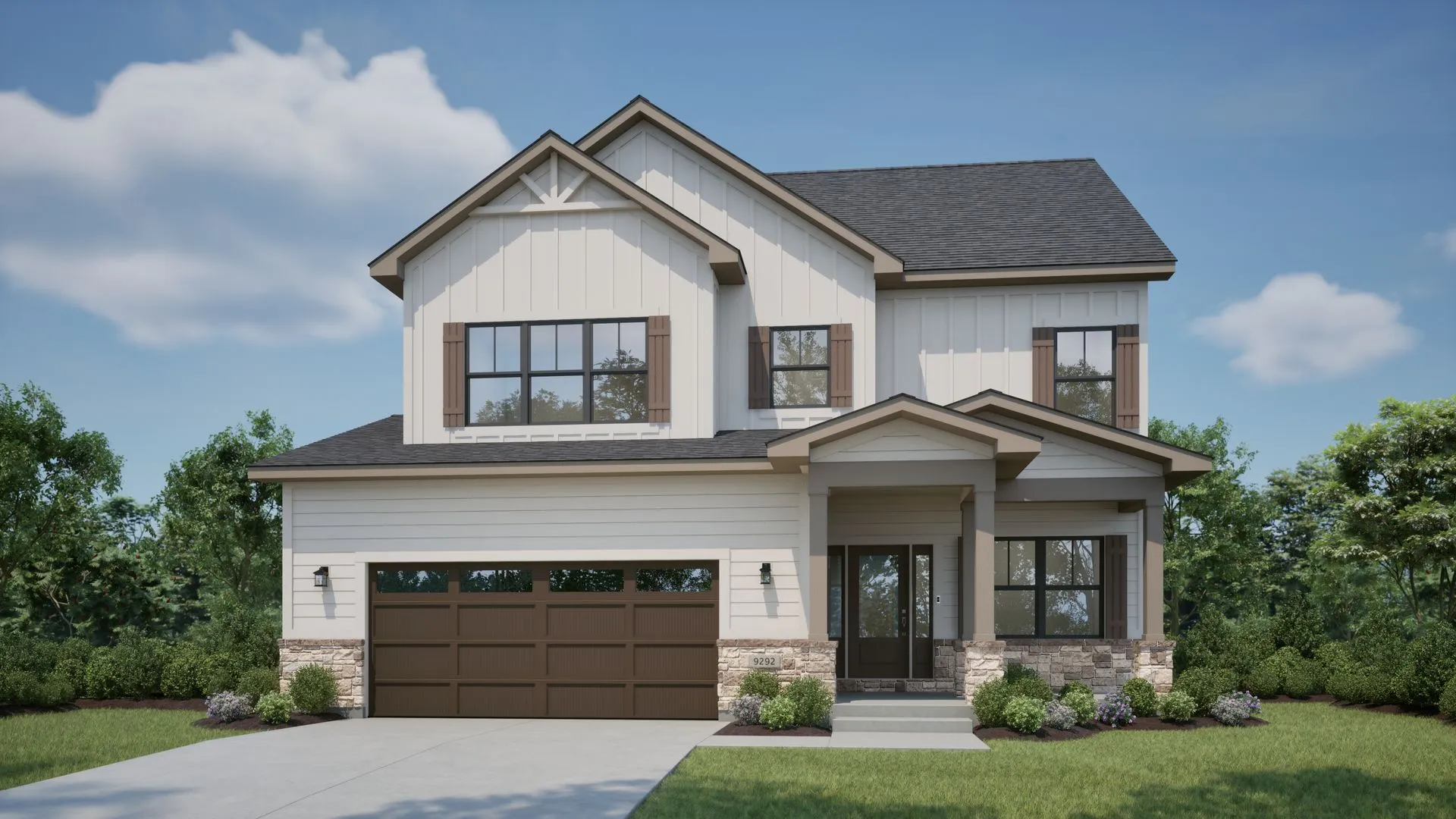
The quality and consistency of plans have made a huge impact on the field teams. Dimensioning is cleaner, trades do less guesswork, and field errors have dropped dramatically. - Sean Wilson, Area Construction Manager
.png)
Company size:
Founded:
The Challenge
Slow, Reactive, and Error-Prone
Before Higharc, New Home Inc., a Raleigh builder producing 200 homes a year, had a plan production process that was holding the entire business back.
Producing a lot-specific plan meant starting from scratch every time. Engineering reviews stretched across weeks. Redlines traveled through email chains. Field teams carried oversized, hard-to-read plan sets and spent valuable hours hunting for basic dimensions.
When a start order dropped, everything else stopped — triggering a cascade of delays across projects in flight.
- ▸ Slow drafting turnaround
- ▸ Plan sets tattered with red ink and page references
- ▸ Frequent field clarification calls
- ▸ Failed inspections and schedule slips
- ▸ Costly foundation and construction errors
The Solution
The builder implemented Higharc Lot‑Specific Plans (LSPs).
Higharc automatically generates templated construction‑ready plans for each lot and enables real‑time collaboration between teams.
The result: faster plan production, simpler plans, and fewer downstream errors.
| Stage | Before Higharc | With Higharc |
|---|---|---|
| Plan creation | Manual assembly | Automated generation |
| Permits | Slowed by complex plans | Faster approvals |
| Field usability | Hard to navigate | Clean, simplified plans |
| Redlines | Email threads | Real-time collaboration |
| Construction errors | Frequent | Dramatically reduced |
Back‑Office Impact
Savings That Add Up Across Every Stage
Simpler Plan Sets
| Plan Type | Before | With Higharc |
|---|---|---|
| Lot-specific plans | 12–15 pages | 9–10 pages |
| Master plans | ~75 pages | ~20 pages |
Field Impact
Cleaner Plans, Fewer Mistakes, More Time on the Job
Construction Manager Productivity
Legacy plans forced trades and CMs to interpret, guess, and call for help. Every clarification costs at least an hour at $50/hour. Eliminating 10 return trips per home saves $500 — and frees CMs to focus on building, not troubleshooting.
Construction Slippage Reduction
Higharc doesn't change how long it takes to build a home — it eliminates the unplanned stops. With daily carrying costs from $20–$125, five fewer days of slippage per home recovers $500 in margin.


Total Conservative Impact
| Category | Savings Per Home |
| Drafting Capacity | $400 |
| Drafting Cycle Reduction | $110 |
| Permit Cycle Reduction | $220 |
| Printing Costs | $110 |
| Builder Return Trips | $500 |
| Construction Slippage Reduction | $500 |
| Total Saved Per Home | $1,840 |
Eliminating Foundation Errors
From a Near-Certainty to Zero
Foundation errors were a recurring problem. Missing whole-house measurements made plans difficult to execute correctly in the field, and fixing concrete mistakes — between direct costs, rework, and schedule disruption — routinely exceeded $5,000 per occurrence.
Since Higharc plans hit the field, that number has dropped to zero.
"Almost every 'Oak' plan foundation had an issue a year ago due to the complexity of the plans. Since the Higharc plans hit the field, we haven't had a single foundation issue."
Strategic Impact
Operational Transformation at Scale
The financial savings are real and measurable. But the bigger shift at New Home Inc. is operational — teams that spent their days reacting now have predictable, repeatable workflows.
The Bottom Line
Every day a home sits unfinished costs money.
Every clarification call, rework trip, and failed inspection costs money. Every week a permit sits in review costs money. Higharc Lot-Specific Plans give that time back — and turn it into margin.